The ATM, taken apart
Twenty years working with these machines, and a long trawl through annual reports, patent files, court records and local newspapers, to answer a question the industry cannot answer about itself: who actually builds a cash machine, and where. Four interactive pieces and a written series on attacking and defending them.

ATM Makers of the World
Nobody has ever built a cash machine in one place. Two centuries of manufacturing on a globe that follows the story — Citibank building its own in Los Angeles, IBM in Charlotte, Mosler sending 1,800 people home at lunchtime, and the Japanese triopoly collapsing into one company.
Inside the ATM
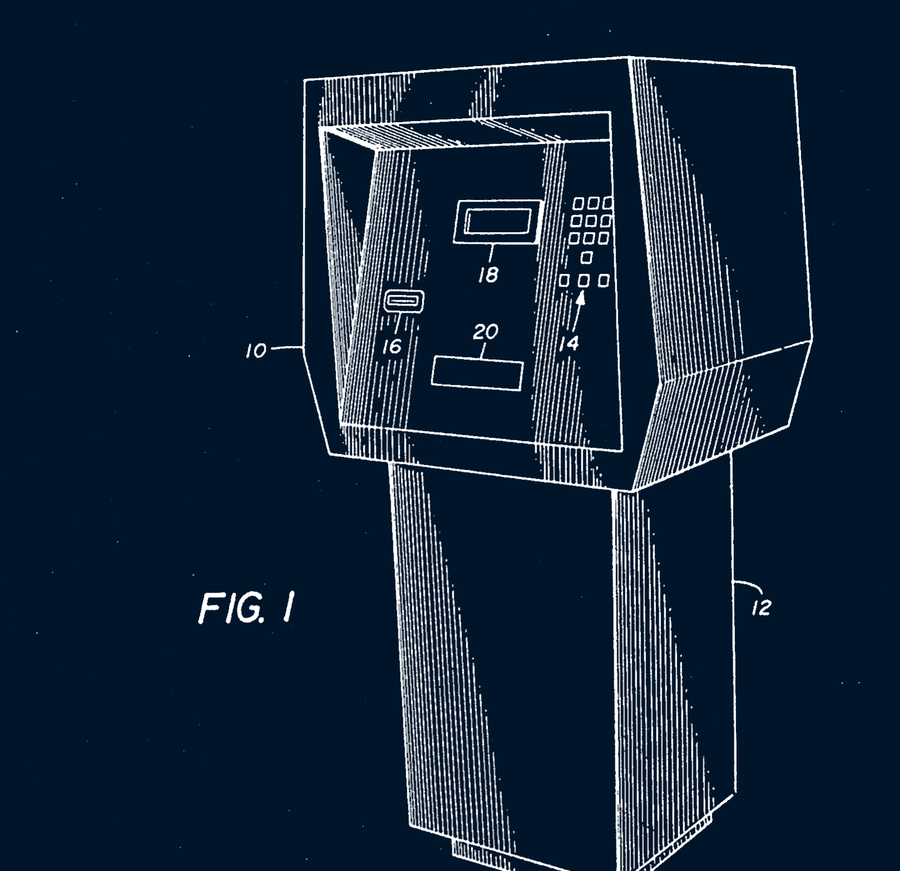
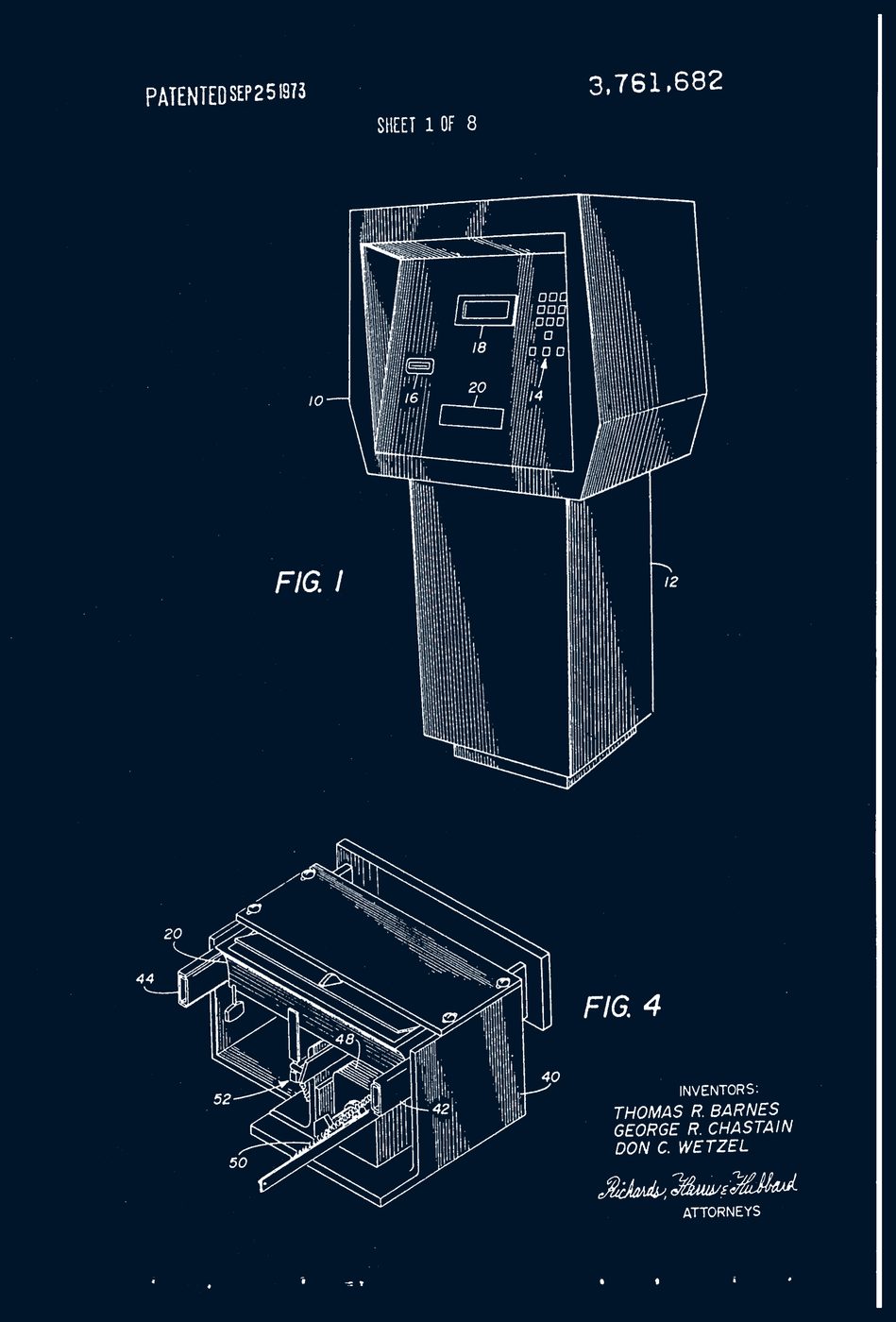
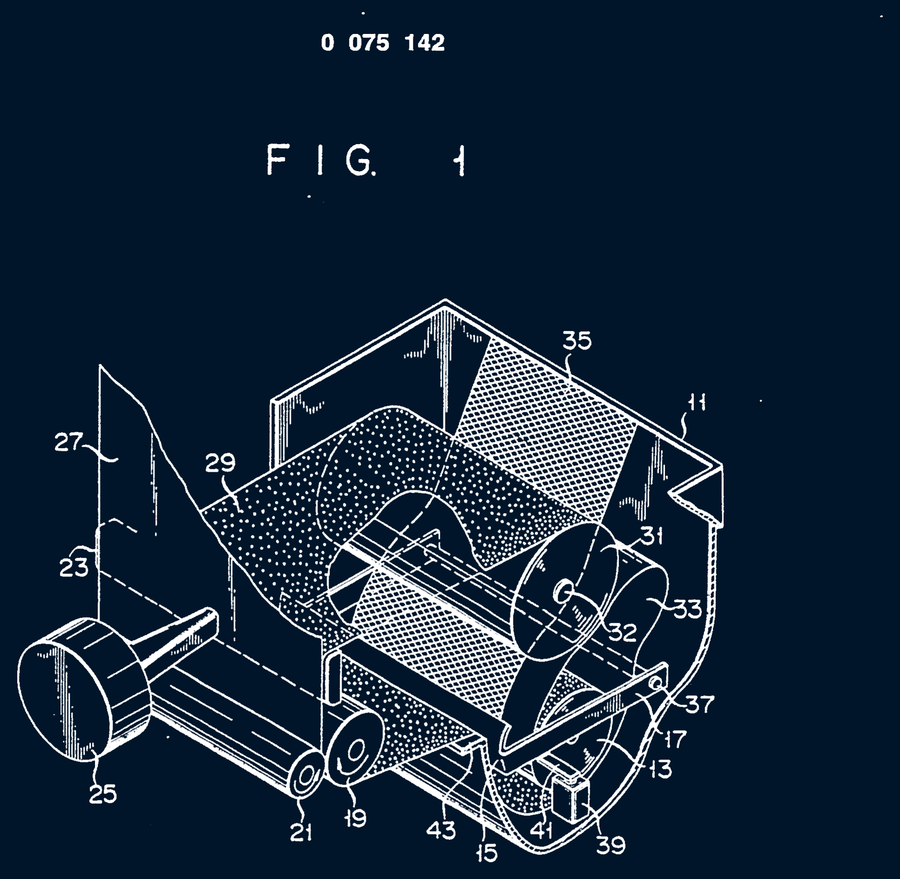
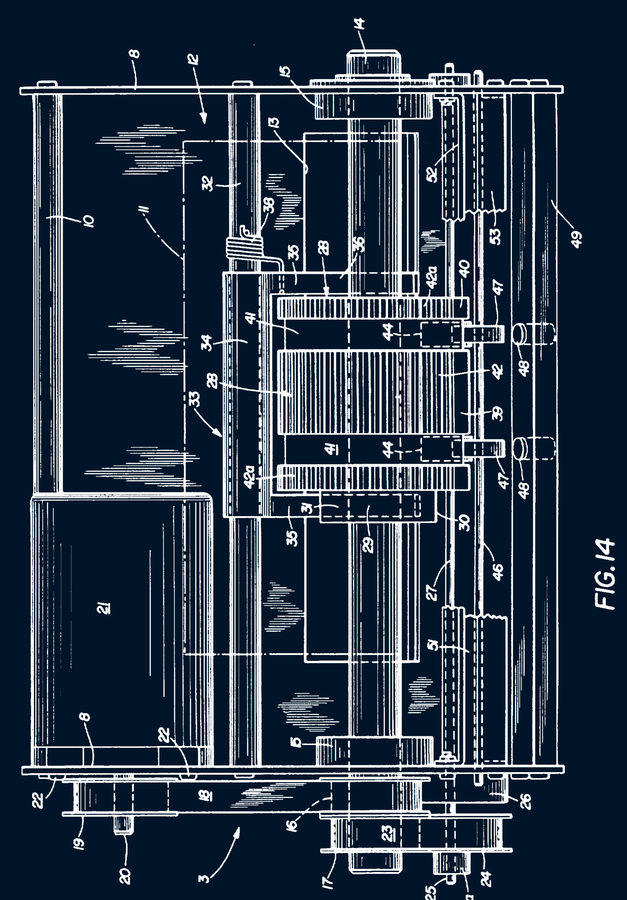
Take the machine apart. Orbit a cash machine built at real proportions, pull it into its ten components, and fly into any one of them — where the wireframe dissolves into the actual patent drawing, alongside the companies that really manufacture that part.
The Evolution of the ATM
1967 to now, era by era: what the machines could do, the patents that defined each step, and how every component changed underneath — from single-note mechanical picking to cash recycling, EMV and the teller on a screen.
Anatomy of a Banknote
The Bureau of Engraving and Printing builds three levels of security into a note. One of them is aimed squarely at machines. Three of the $100's public features begin with the word tilt, and a cash machine cannot tilt anything, so it reads the note by magnetism, infrared and thickness instead.
The Journey of a New Banknote
A redesigned note is printed years before anyone can spend it, and four federal agencies have to agree on it first. Then comes the hard part: every machine that takes cash has to be taught the new bill before it arrives.
Four parts on attacking and defending cash machines
Written for practitioners, and paired with a technical-risk white paper and a scored self-assessment worksheet.
The industry cannot say where its own first machines were built. Chubb’s MD2 reached NatWest branches in 1968 and no surviving document names the factory; two centuries of safe-making left better records than the decade that followed it. So these pages were built the slow way, out of annual reports, patent files, court records and local newspapers. Where only a company’s account of itself survives, it is marked as such. Firms are unreliable narrators of their own history.
- 545
- patent documents, with figures and metadata
- 649
- sources archived, originals kept
- 118
- manufacturing sites documented
- 42
- analysis documents behind the pages
- 1,111
- vendor documents read
- 6
- component supply chains traced end to end